Gross Motor vs Fine Motor Skills What They Are and Why Both Matter

If you've ever watched a toddler climb onto a chair and then, two minutes later, carefully pick up a single raisin between finger and thumb, you've witnessed two completely different systems at work in their body. These are gross motor skills and fine motor skills and understanding the difference can help you support your child's development with far more intention.
What Are Gross Motor Skills?
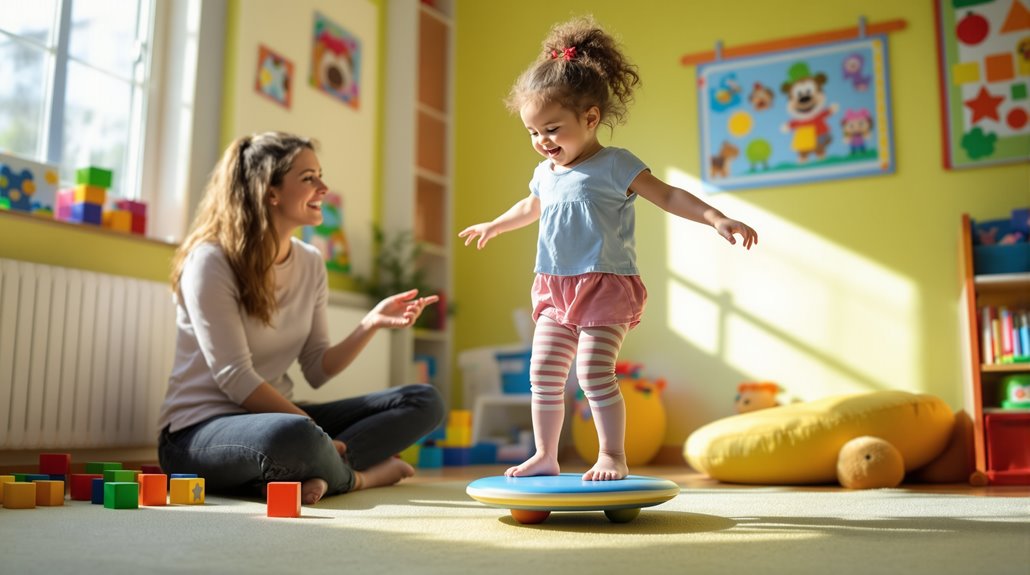
Gross motor skills involve the large muscle groups such as legs, arms, torso and control movements like crawling, walking, running, jumping, and climbing. These skills develop first because they rely on core strength and balance, the foundation everything else is built on.
A toddler tumbling across a gymnastics mat isn't just having fun (though they definitely are). They're building the coordination, spatial awareness, and muscle strength that will eventually let them sit still at a desk, hold a pencil steady, and even concentrate during quiet activities. Gross motor development comes first because a stable, strong body gives the brain the platform it needs for more delicate control later on.
What Are Fine Motor Skills?
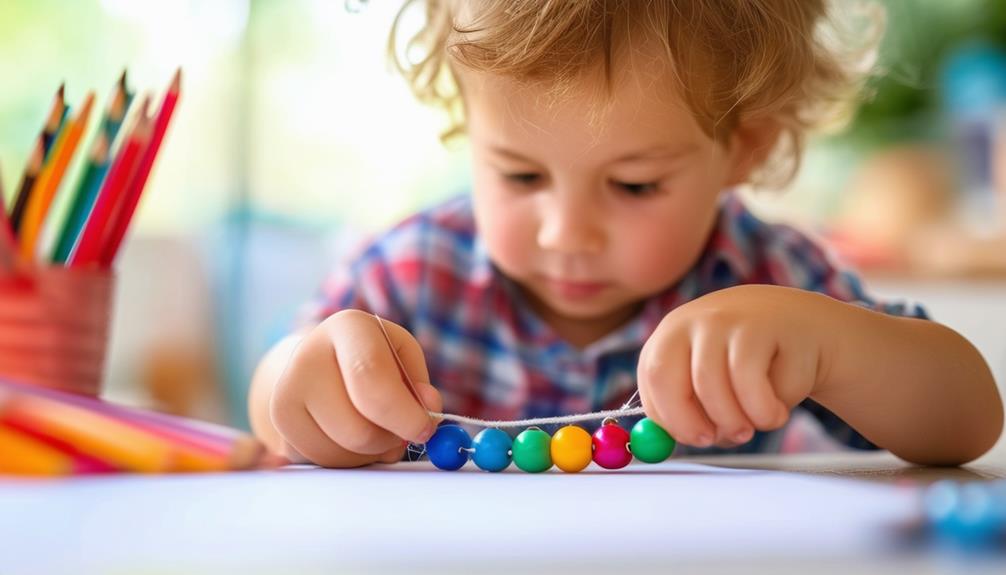
Fine motor skills involve the small muscles particularly in the hands and fingers and control precise movements like grasping, pinching, stacking blocks, drawing, and eventually writing. These skills tend to develop more slowly because they require greater neural precision and hand-eye coordination.
Fine motor skills are the ones parents often notice first when it comes to school readiness holding scissors, using a fork, doing up buttons. But here's the part many parents don't realise, fine motor skill struggles are often actually gross motor issues in disguise. A child with weak core or shoulder stability will struggle to control a pencil, no matter how much they practise writing.
Why Both Need Equal Attention
It's tempting to focus on fine motor skills once a child approaches preschool age, since they feel more academic. Gross motor skills remain the foundation. A child who has strong balance, coordination, and core strength will find fine motor tasks easier to learn, not harder.
That's why activities like swimming, gymnastics, and active play aren't separate from learning. They're laying the groundwork for it.
How to Support Both at Home
- To support gross motor skills encourage climbing, jumping, running, and balancing even something as simple as walking along a low curb.
- For support of fine motor skills offer activities like threading beads, tearing paper, or using child-safe scissors.
- For support of both, water play, ball games, and structured movement classes naturally combine the two.
At Bubu Island, our swimming and gymnastics programmes are built around exactly this principle, strengthening the big movements first, so the small, precise ones come more easily later. Development isn't a race. It's a foundation, built one skill at a time.
Stay Connected with Bubu Island
Subscribe to our newsletter for the latest updates and tips on early childhood development.

Explore Our Latest Insights
Discover tips and activities for young children.