Potty Training: What to Avoid (and What Actually Helps)

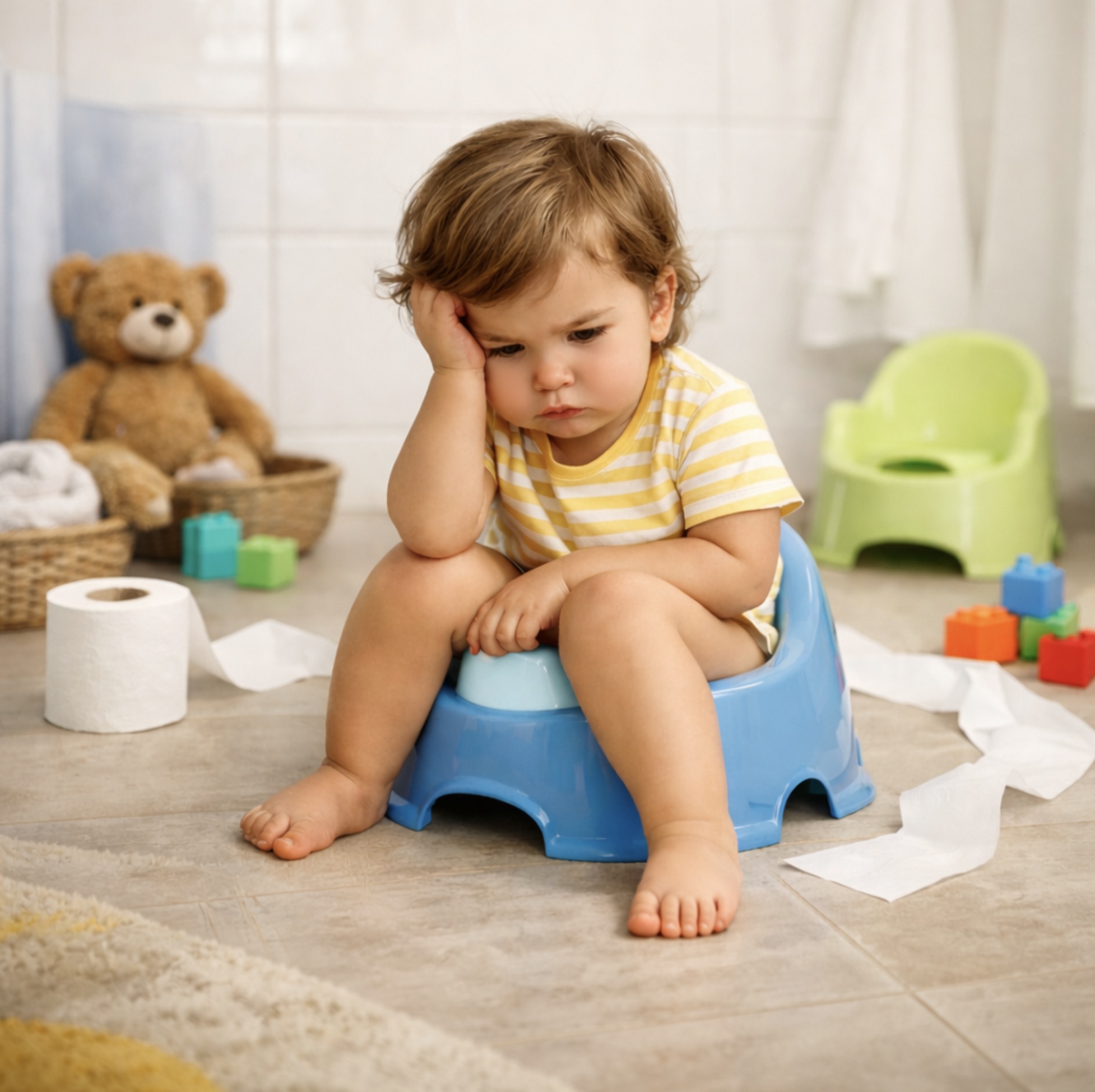
Potty training is one of those parenting stages that everyone warns you about and somehow you still feel unprepared when it’s your turn. One minute you’re proud your toddler sat on the potty, and the next minute you’re scrubbing the carpet thinking why it did not work.
If you’re about to venture into toilet training, you likely have lots of questions and perhaps some concerns. Here are some common potty training mistakes and some important “dos” to make the journey smoother for both you and your toddler.
What to avoid?
1. Starting Before Your Child Is Ready
Your child is likely ready when three things come together:
- Physical readiness: they can control bladder and bowel muscles (usually from 12–18 months).
- Developmental readiness: they can walk to the toilet, sit, manage clothing, and communicate their needs.
- Emotional readiness: they show interest — staying dry longer, wanting diaper changes, or going to a specific spot (often after age 2).
In short: when their body, skills, and curiosity align, you’re good to begin.
2. Reacting Negatively to Accidents
Accidents are an inevitable part of potty training. Treating them as problems or failures can create anxiety and discourage the child from trying again. Harsh reactions, even when unintentional, may cause feelings of shame or fear associated with using the toilet.
Children respond best when accidents are treated calmly and neutrally. Gentle reassurance and simple reminders are more effective than punishment or disappointment.
3. Comparing Children to Others
Each child develops at an individual pace. Comparing one child’s progress to siblings, peers, or milestones can lead to unnecessary stress for both parents and children. Potty training timelines vary widely, and progress is not always the same.
4. Failing to Take Breaks When Needed
When potty training becomes consistently stressful or unsuccessful, some parents continue out of fear that stopping means losing progress. In reality, a short break can be beneficial.
Pausing the process does not undo learning; rather, it allows families to restart with renewed patience and improved strategies. A break can be especially helpful if the child becomes resistant or distressed.
5. Diaper for the Poop
It’s quite common for a potty-trained child to ask for a diaper when it’s time to poop.
This isn’t regression, it’s often a habit mixed with a bit of fear or uncertainty.
If your child can ask for a diaper, it means they already recognize the feeling. What they’re really saying is: “I’m not fully comfortable yet.” Instead of going back to diapers, support them through it. Stay calm, offer reassurance, and help them feel safe using the potty.
What actually helps?
1. Avoid the power struggle and invite cooperation instead
In potty training, how you communicate matters just as much as what you say.
Instead of asking or insisting, guide your child in a way that keeps their sense of autonomy intact.
This aligns beautifully with Positive Discipline, where the goal is to avoid power struggles and encourage cooperation.
Try:
- A statement: “It’s time to go potty.”
- A choice: “Do you want the big potty or the small one?”
- A playful challenge: “Let’s race to the bathroom!”
When children feel involved instead of controlled, they’re far more willing to cooperate.
2. Focus. Potty training is not the moment for multitasking.
Experts suggest giving your child your full attention during the first few days. By observing closely, you’ll start to recognize their signals, those small cues that tell you they’re about to go.
Yes, it can feel intense (and even a little boring at times), but try to see it differently: this is a moment of connection.
Put distractions aside, stay present, and tune into your child.
The more focused you are now, the smoother the process will be later.
3. Be consistent
In the first days, a simple plan can make all the difference. Offer the potty regularly, every 30–60 minutes and gradually extend the time as your child gets more comfortable.
Build it into natural moments of the day: after waking up, after meals, before and after naps, and before bedtime.
And don’t forget: use the same words every time for pee and poop!
It may seem small, but consistency in language helps your child understand and respond more easily.
Predictability makes new skills feel safe and that’s when learning happens.
4. Praise!
Praise your child every time they make it to the potty, even if things don’t go perfect. Our kids want to be “good kids” and fulfill expectations!
5. Reward!
Some children respond really well to a simple reward system, especially when it’s something they can see and look forward to.
Try creating a small “reward jar” filled with tiny surprises. Let your child explore it, talk about it, and keep it somewhere visible. This helps them connect the experience of using the potty with something positive and motivating.
If your little one likes to have a goal, create a chart and make it a game!
6. Use the foot stool
If your child is using an adult toilet, a small step stool is a must. It helps them climb up independently, but even more importantly, it gives their feet support. This makes sitting more comfortable and helps their body work naturally, especially when it’s time to poop.
And if you are looking for a more detailed resource, turn to literature. Our pick is :
Oh Crap! Potty Training: Everything Modern Parents Need to Know to Do It Once and Do It Right
by Jamie Glowacki
Stay Connected with Bubu Island
Subscribe to our newsletter for the latest updates and tips on early childhood development.

Explore Our Latest Insights
Discover tips and activities for young children.