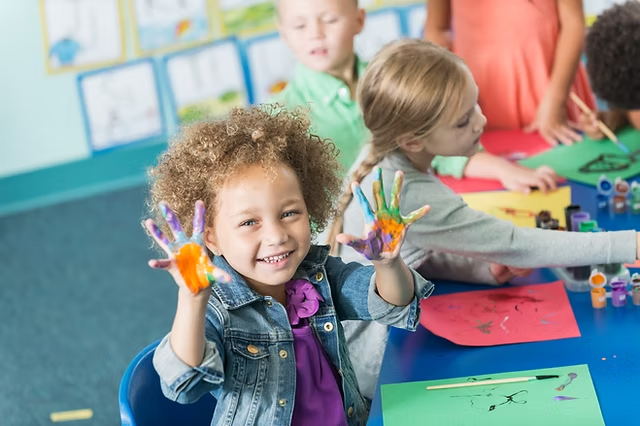
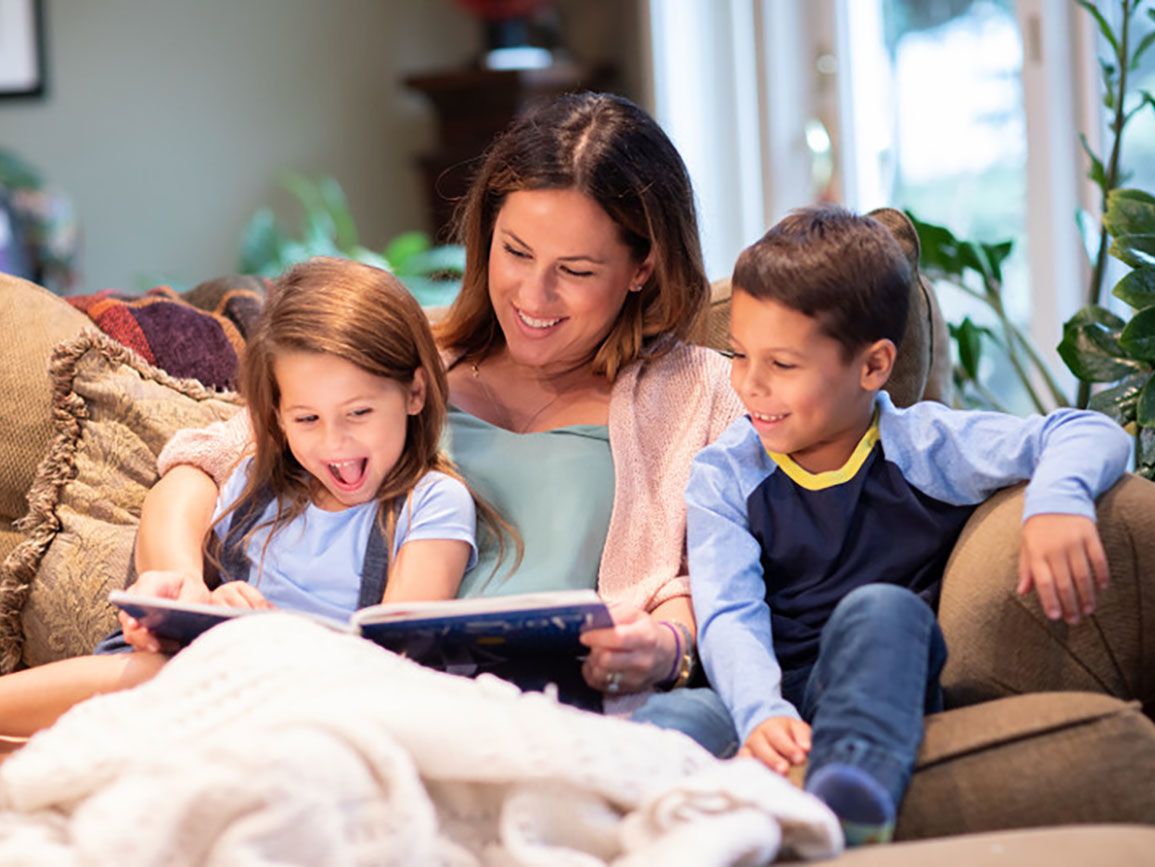
Your child's brain is a language supercomputer.

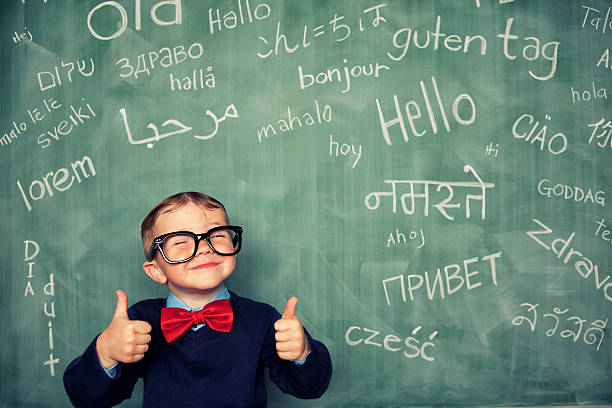
It's not magic. It's neuroscience and the window is closing faster than you think.
Picture a three-year-old who has just moved to a new country, within six months she's chattering away with local kids, accent perfect, grammar intact, completely unaware that she has just done something adults spend years and thousands of dollars trying to achieve. Meanwhile, her parents are still fumbling through a phrasebook at the supermarket, apologising in the wrong tense.
This is not a coincidence. It is not simply about time or effort. Something fundamentally different is happening inside a child's brain and science now knows quite a lot about what it is.
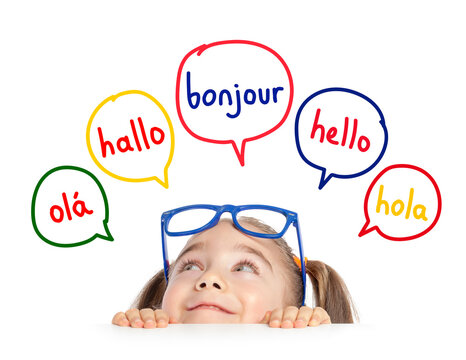
The brain that is built to absorb
At birth, a baby's brain contains roughly 100 billion neurons about as many as there are stars in the Milky Way. In the first years of life, those neurons form connections at a staggering rate: up to one million new synaptic connections every single second. The brain is, in the most literal sense, a construction site.
Language is one of the first and most ambitious projects that a construction site takes on. Babies don't learn language the way adults do, by memorising rules, translating in their heads, or practising conjugations. THEY ABSORB IT. The entire surrounding soundscape becomes data, and the brain sorts it, patterns it, and builds a model of the language automatically, without any conscious effort at all.
Researchers call this period of extraordinary brain flexibility "neuroplasticity." In early childhood, the brain is at peak plasticity able to rewire itself rapidly in response to experience. Language learning is one of the most powerful triggers of this rewiring.
The critical period: a window that actually closes
In the 1960s, linguist Eric Lenneberg proposed something that was controversial at the time and is now widely accepted: there is a critical period for language acquisition, roughly from birth to around puberty, during which the brain is uniquely wired to pick up language naturally and effortlessly. After that window closes, the process changes fundamentally.
It's not that adults can't learn languages, they absolutely can and often do, but the mechanism is different. Adults learn analytically, consciously, with effort. Children acquire language the way they acquire walking: by doing it, falling over, and doing it again, with the brain doing most of the heavy lifting invisibly in the background.
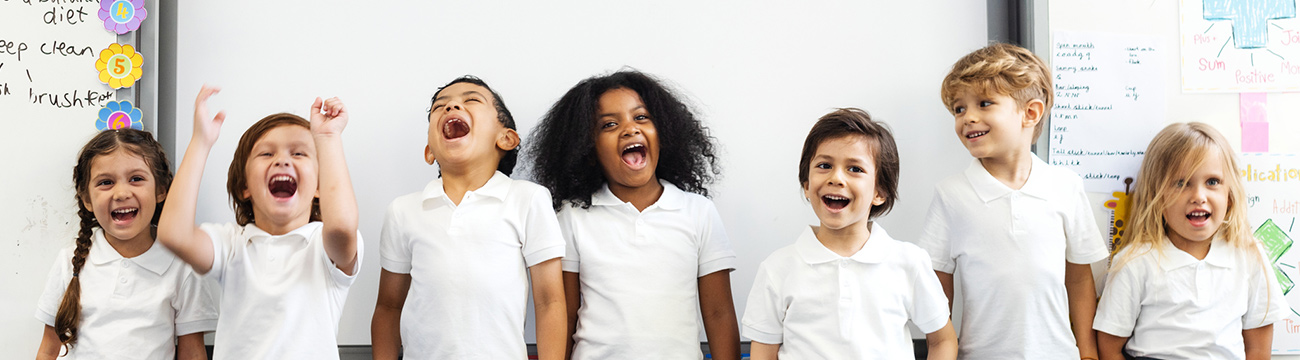
Studies have shown that people who learn a second language before age seven achieve native-level proficiency at rates dramatically higher than those who start later. By adolescence, the gap is significant. By adulthood, achieving a true native accent in a new language is, for most people, neurologically out of reach, not impossible, but genuinely rare.
Sound sorting: the superpower adults have lost
Here is one of the most fascinating details in this whole story. At birth, babies can distinguish between every sound used in every human language on Earth including sounds that don't exist in the language spoken around them. A Japanese newborn can hear the difference between "r" and "l." An English newborn can hear tonal distinctions used in Mandarin.
Managing two languages simultaneously gives the brain a daily workout that pays dividends far beyond the languages themselves.
What this means for your child right now
Science isn't here to make adults feel bad, it's here to make parents feel excited, because if the window is open, exposing your child to another language is genuinely one of the greatest gifts you can give.
Research says:
Exposure beats instruction. Conversations, songs, stories, and play in another language are more powerful than any formal lesson at young ages.
Consistency beats intensity. Regular daily contact with a language is far more effective than occasional immersive bursts.
Mixed languages are fine. Children raised in bilingual or multilingual households don't get confused, they become more cognitively flexible.
Earlier is better, but balance matters. A strong foundation in the first language matters too. Both grow together.
Play is the medium. Language absorbed through play, music, and friendship sticks far better than language learned through drills.
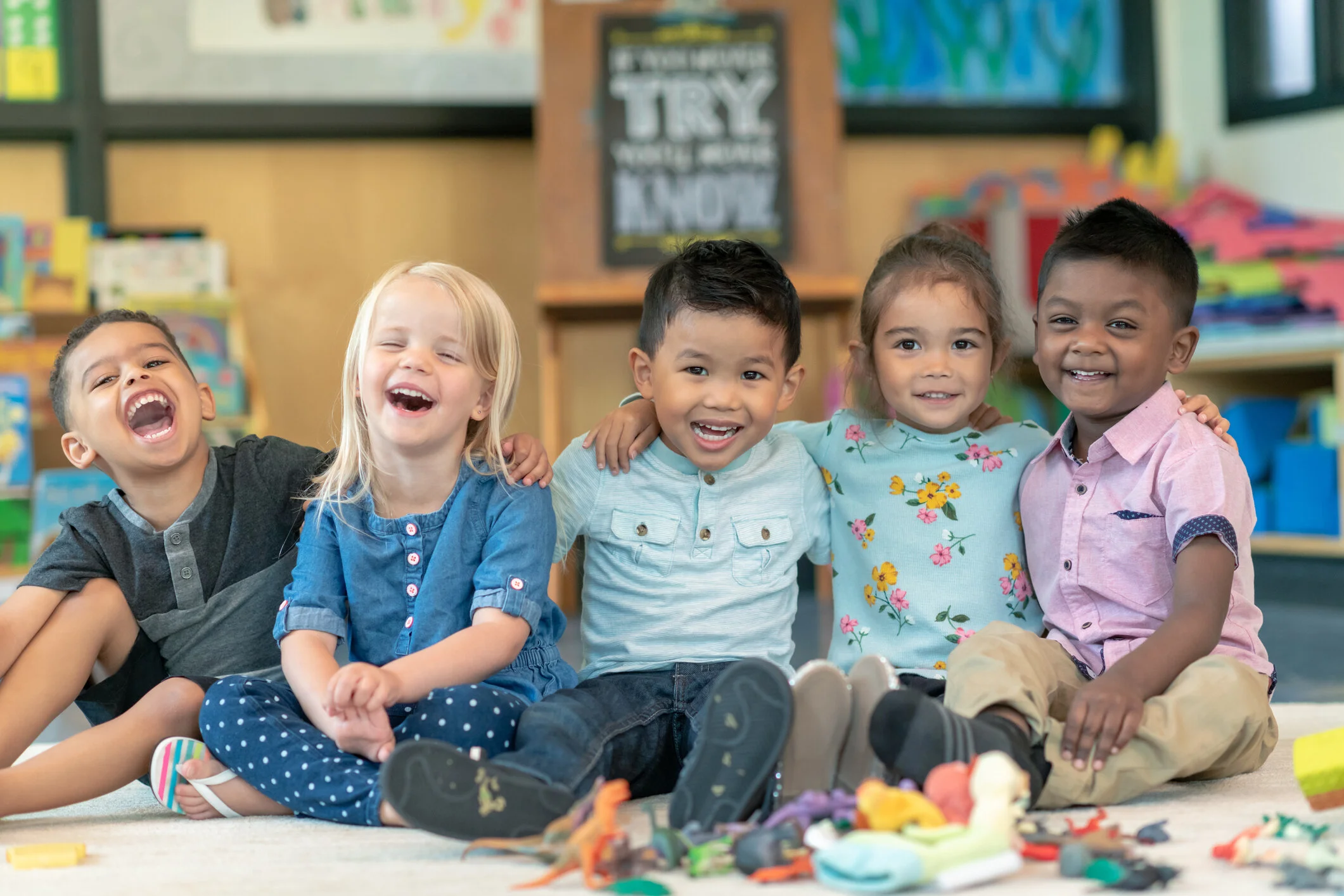
The unexpected bonus
Research has consistently shown that bilingual and multilingual children develop stronger executive function, the set of mental skills that includes attention, self-control, and the ability to switch between tasks. Managing two or more languages simultaneously gives the brain a daily workout that pays dividends far beyond the languages themselves.
So when your three-year-old switches effortlessly between two languages mid-sentence, a phenomenon linguists call "code-switching" they aren't confused. They are, in fact, performing a feat of cognitive agility that most adults can only dream of.
Stay Connected with Bubu Island
Subscribe to our newsletter for the latest updates and tips on early childhood development.

Explore Our Latest Insights
Discover tips and activities for young children.